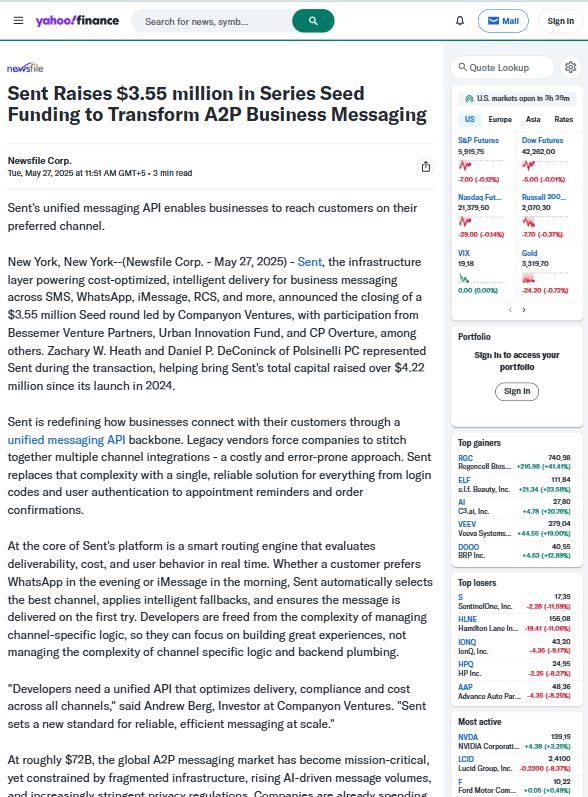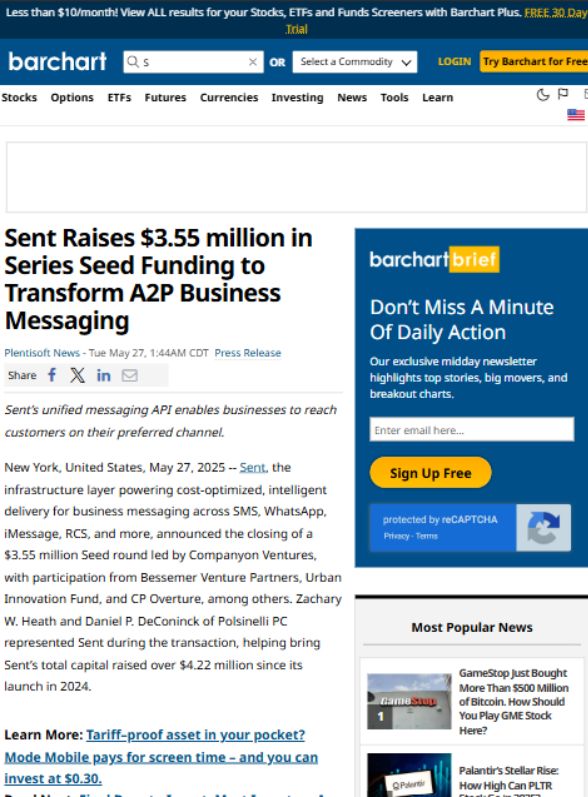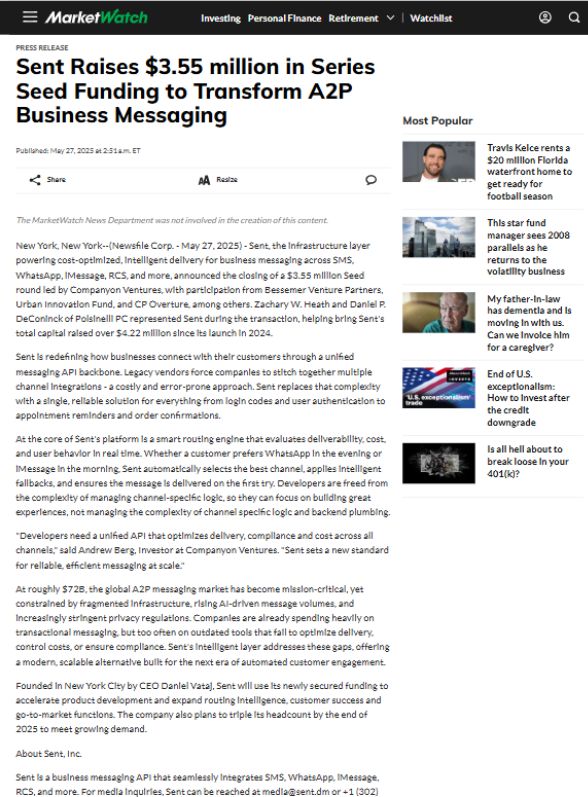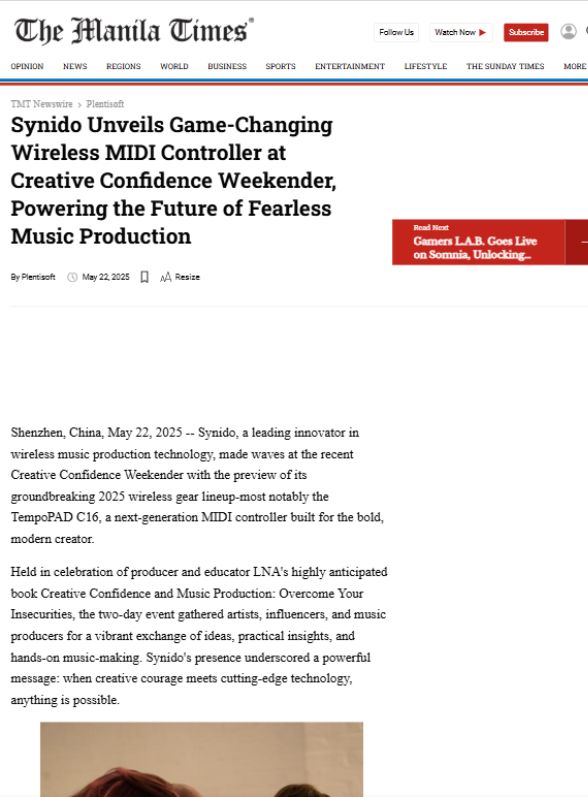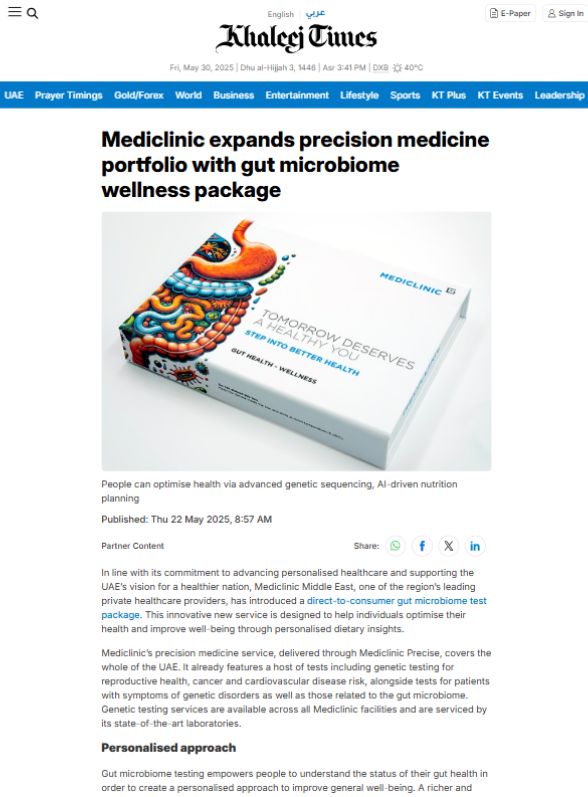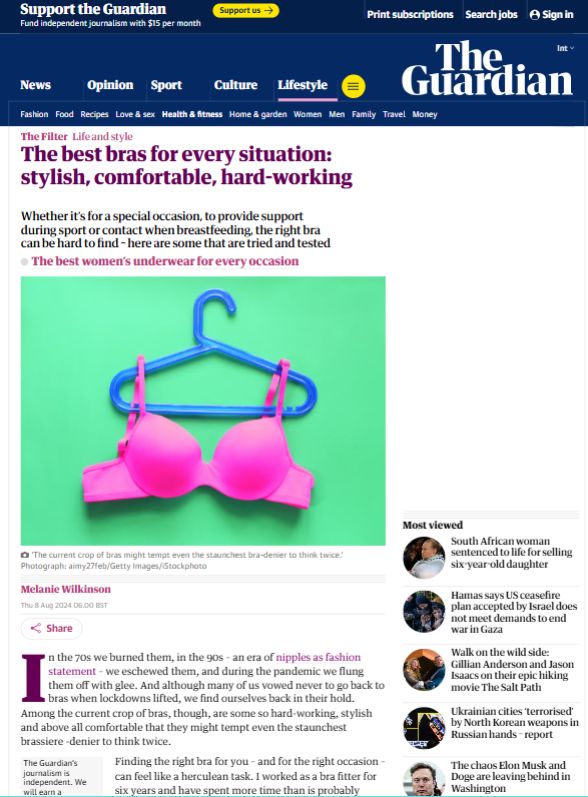
In today’s fast-paced digital world, businesses and organizations are constantly striving to maintain a strong connection with their audiences. One effective way to communicate with the public and spark engagement is through press releases. However, traditional press releases are evolving, and the integration of a clear, concise, and compelling call-to-action (CTA) has become increasingly important. A CTA press release can be the bridge between announcing news and prompting your audience to take immediate action.
This blog post will explore the significance of a CTA in press releases, how to craft an impactful CTA, and best practices for creating a press release that encourages engagement and action from your target audience.
Table of Contents
What Is a CTA Press Release?
A CTA press release is a press release that not only conveys important news but also includes a direct call-to-action. This call-to-action directs the reader to take the next step in their interaction with the company, organization, or event being featured in the release. Whether it’s encouraging readers to sign up for a newsletter, register for an event, download a product, or even make a purchase, the CTA is a critical part of modern press releases that aims to move readers from passive consumers of information to active participants.
The concept of a CTA is not new; it’s a staple in marketing strategies. However, integrating a CTA into a press release format is a strategy that many businesses are starting to realize can amplify their messaging. With more businesses competing for the attention of their target audience, it is crucial to stand out by not only providing value but also giving your audience a reason to act.
Why You Need a CTA in Your Press Release
Press releases are valuable tools for distributing information to media outlets, journalists, and the public. But they serve a purpose beyond just sharing news—they help foster engagement and strengthen relationships with your audience. A CTA press release achieves the following:
- Encourages Immediate Action: Without a CTA, a press release simply informs. But with a CTA, you provide your audience with a clear next step they can take right away.
- Drives Conversions: By prompting your audience to take action, you increase the chances of converting your readers into customers, subscribers, or attendees.
- Enhances Engagement: A well-crafted CTA leads to more active involvement with your brand or event, keeping your audience engaged and interested.
- Measures Effectiveness: A CTA allows you to track conversions and assess the success of your press release, which can help optimize future campaigns.
Key Elements of a CTA Press Release
To make your CTA press release successful, you must focus on several key elements:
- Clear and Concise Messaging: Your CTA should be simple, direct, and easy to understand. Avoid using jargon or ambiguous language. The goal is for your audience to quickly grasp the action you want them to take.
- Urgency and Value: Effective CTAs create a sense of urgency or exclusivity, encouraging readers to take action sooner rather than later. Phrases like “limited time offer” or “register today” inspire urgency, while emphasizing the value of the action can increase conversions.
- Placement of the CTA: The placement of your CTA is crucial to its success. In most cases, it’s ideal to include the CTA both at the beginning and the end of the press release. This way, readers who may skim through the content can easily find the action you want them to take.
- Relevant to the Content: Your CTA should be closely aligned with the content of the press release. For instance, if you’re announcing the launch of a new product, the CTA should prompt readers to purchase the product, learn more, or watch a demo. The call-to-action should make sense within the context of your announcement.
- Easy to Follow Through: When you direct readers to take action, ensure the steps they need to follow are simple. This could include including a link to a landing page, a registration form, or instructions on how to download an app or whitepaper.
Types of CTAs You Can Include in Your Press Release
A CTA in a press release can take many different forms depending on the goal of the communication. Below are some examples of CTAs that could work in various press release scenarios:
- Event Registration: “Sign up now for our upcoming webinar to learn more about the latest trends in digital marketing.”
- Product Launch: “Get your hands on our new product now—order today to receive exclusive early bird discounts.”
- Email Sign-Up: “Subscribe to our newsletter to stay updated on the latest news and special offers.”
- Free Trial or Demo: “Try our software for free today and experience its powerful features firsthand.”
- Download Content: “Download our free e-book on social media strategy now to learn proven techniques for growing your brand.”
- Join a Community: “Join our online community today to connect with other industry professionals and gain valuable insights.”
How to Write a CTA Press Release: Step-by-Step Guide
Creating a press release with a CTA requires strategic thought and planning. Here’s a step-by-step guide to crafting a press release that not only informs but also drives action:
- Headline: Start with a compelling headline that captures attention. The headline should summarize the news you’re sharing in a way that sparks curiosity and highlights the key benefit of taking action. For example, “New Software Launch: Experience Cutting-Edge Technology with a Free Trial Today!”
- Subheadline: The subheadline should provide additional context and reinforce the action you want readers to take. It should expand on the headline and create further intrigue.
- Introduction: In the opening paragraph, briefly introduce the key news in your press release. It should highlight what the reader will gain by continuing to read. Don’t forget to subtly hint at the CTA, whether it’s an event, product, or service.
- Details: In the body of the press release, elaborate on the announcement, focusing on the benefits and features of the product or service. This is where you can go into more depth about the value proposition and why it matters to the audience.
- The CTA: The CTA should be positioned near the end of the press release, after you’ve provided sufficient context and details. Make it direct and actionable, telling readers exactly what you want them to do next. Include a link or contact information for easy follow-through.
- Conclusion: Conclude your press release with a brief recap and a final push for the reader to act. Reiterate the value of taking action and remind them of the urgency or deadline.
Best Practices for Writing a CTA Press Release
To maximize the effectiveness of your CTA press release, follow these best practices:
- Be Specific: Use precise language in your CTA. Instead of “Click here,” be more specific, like “Register now to secure your spot.”
- Test Different CTAs: If possible, A/B test your press releases with different CTAs to determine which one performs the best.
- Use Action-Oriented Words: Start your CTA with strong action verbs like “Buy,” “Register,” “Join,” or “Download” to create urgency and drive immediate action.
- Highlight Benefits: Show your audience the benefits of taking action. For example, “Get 20% off when you register today” provides an incentive for immediate action.
- Optimize for Mobile: Many readers access press releases via their mobile devices, so ensure your CTA is mobile-friendly. Make sure your links are easy to click, and the information is easy to navigate on small screens.
Conclusion
A CTA press release is an essential tool for modern businesses that want to do more than just inform—they want to engage and drive action. By crafting a compelling call-to-action and strategically integrating it into your press release, you can transform your communication from a simple announcement to a dynamic opportunity for interaction. Whether you are launching a product, hosting an event, or offering a special promotion, the right CTA can significantly enhance your press release’s impact, helping you achieve your business goals.